Market Insight Spotlights
The Balcony Report Some Harbor Bay Sellers Now Owe, and Others Never Will
If you're selling a condo or townhome in Harbor Bay this year, your disclosure packet is longer than it would have been in 2025. Not because of anything about your specific unit, but because of Senate Bill 410, which took effect on January 1, 2026. If you're selling a single-family home in one of Harbor Bay's planned developments, the packet hasn't changed at all. Same community, same name on the sign, and two entirely different sets of paperwork, and the split has nothing to do with price or condition. It comes down to which of Harbor Bay's roughly twenty homeowners' associations holds your building.
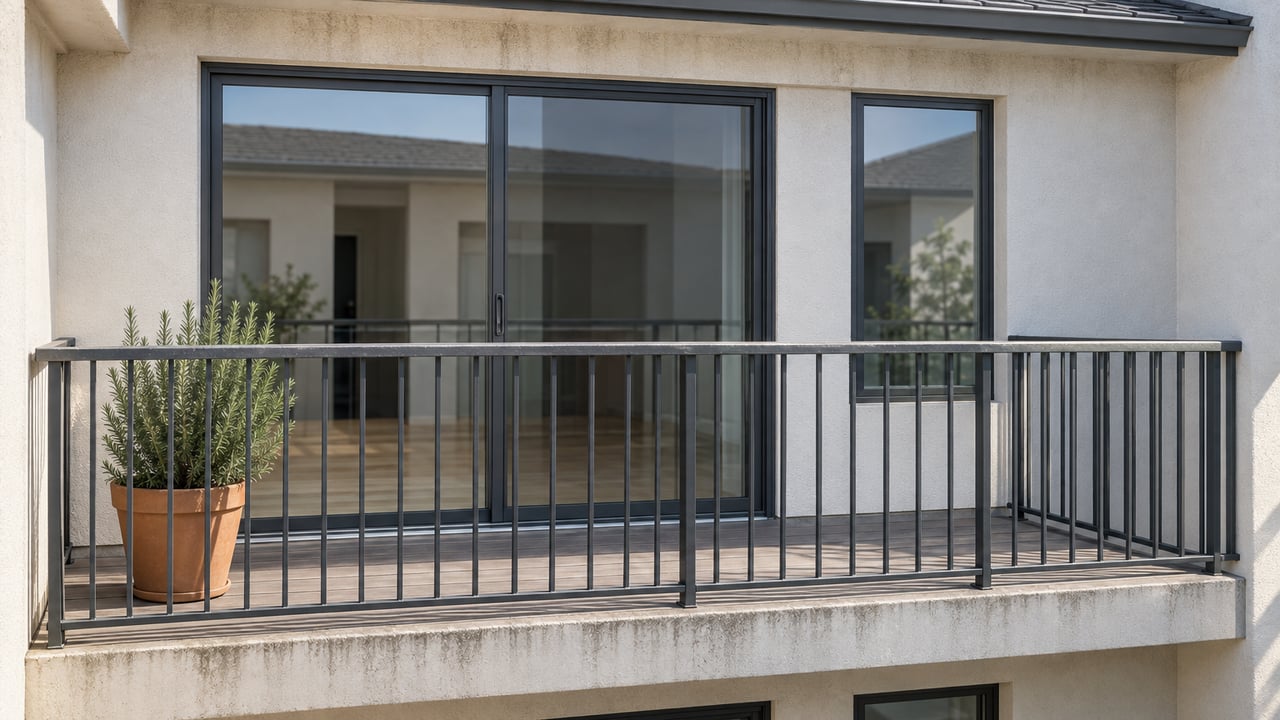
This isn't a hypothetical timing question. Senate Bill 410 amended California Civil Code section 4525 to require that a seller's disclosure packet include the association's most recent inspection report for exterior elevated elements, meaning balconies, decks, stairways, and walkways. That inspection requirement itself, created by Senate Bill 326, has existed since 2019, with the first inspection deadline landing on January 1, 2025. What SB 410 changed is where the report lives. It used to sit in HOA records, available if a buyer thought to ask. As of this year it travels inside the standard resale disclosure package, the one every buyer's agent and escrow officer already expects to review.
Harbor Bay Isle didn't start as a single community. In 1972, Utah Construction and Ron Cowan's Doric Development formed a partnership called Harbor Bay Isle Associates and built a master plan across the reclaimed marshland of Bay Farm Island's Uplands. They split the project into five villages that eventually became roughly twenty separate homeowners' associations, each with its own governing documents, its own board, and now, its own answer to the balcony question. All of them are managed out of one office on Mecartney Road by a company called The Community of Harbor Bay Isle. Sharing a management company doesn't mean sharing a disclosure obligation.
SB 326 only reaches buildings with three or more attached units that have exterior elevated elements sitting more than six feet above grade and relying substantially on wood framing. Single-family homes and duplexes are excluded outright, no matter how the HOA is structured otherwise. That single line in the statute is the reason Harbor Bay's disclosure landscape splits so cleanly. A townhome association with balconies over a shared walkway qualifies. A planned development of detached single-family houses does not, even if the dues, the landscaping standards, and the architectural review process look identical from the curb.
| Attached condo/townhome associations | Single-family planned developments | |
|---|---|---|
| SB 326 inspection required | Yes, if elevated wood-framed elements exist | No |
| SB 410 disclosure at resale | Yes, most recent report included in packet | Not applicable |
| Example in Harbor Bay | Associations with shared balconies or elevated walkways | Freeport |
Freeport is one of Harbor Bay's associations: ninety-nine single-family homes organized as a planned development. Its board meets on the second Thursday of every other month starting in January, and its annual membership meeting happens in May. None of that changes under SB 410. Because Freeport's homes are detached houses rather than attached condominium units, the balcony inspection statute never applied there in the first place, and there is no new report for a Freeport seller to produce this year. A buyer touring a Freeport listing and a buyer touring a condo three streets away in a different Harbor Bay association are looking at two different disclosure realities, even though both listings say Harbor Bay.
The SB 326 deadline for condominium associations passed on January 1, 2025, with no extension. That's worth sitting with, because the companion law covering apartment buildings, SB 721, did get a one-year extension to January 1, 2026 under a separate bill. The distinction matters: any association still completing its first inspection is already past the window. Industry estimates put the cost of a full inspection for a mid-size complex at $15,000 to $50,000 or more, since the law requires sampling enough elements to reach a 95 percent confidence level with a 5 percent margin of error. None of that is a Harbor Bay-specific figure, but it explains why a seller in a qualifying association should ask now rather than assume the report already sits in a file somewhere.
A few questions are worth asking before a Harbor Bay condo or townhome goes on the market:
My condo is in Harbor Bay. How do I find out if my specific association has finished its inspection? Ask your property manager and reference the association by its legal name. One office manages roughly twenty separate associations, each on its own compliance timeline, so a general question about "Harbor Bay" won't get you a useful answer.
What if my association hasn't completed the inspection yet? The inspection itself is the board's obligation, but its status now shows up in your resale packet. The report, or the lack of one, is a document buyers and their lenders expect to see, and an incomplete inspection can raise a warrantability question during financing.
Does this add a new fee to my resale disclosure order? There's no separate state-mandated fee tied to SB 410 itself. The report is folded into the same disclosure package the association was already required to produce, though the management company may charge its standard document fee to assemble it.
I own in Freeport. Do I need to worry about any of this? No. Freeport's homes are detached single-family units, and SB 326 applies only to buildings with three or more attached units. The inspection requirement never reached Freeport, and SB 410 doesn't create a new obligation where the underlying law didn't apply.
If you're selling in one of Harbor Bay's twenty associations and you're not sure which side of this line your building falls on, Friedrich Homes Group can help you find out before you list, not after an offer is already on the table.
This article is general information, not legal, tax or financial advice. Consult a qualified professional about your situation.
Insights on real estate, design, local living, and the communities we call home.
Buying or selling a home is one of life's most important decisions. We provide the market knowledge, negotiation expertise, and support needed to help you move forward confidently. Together, we'll create a strategy built around your success.
Friedrich Homes Group
(510) 919-7280
[email protected]
Friedrich, Jill Elizabeth | CA DRE# 02062807
Compass California II, Inc. | CA DRE# 02029039
1410 Park Ave Alameda, CA 94501