Market Insight Spotlights
Everyday Life In Harbor Bay, Alameda
Market Insight Spotlights
Curious what day-to-day life really feels like in Harbor Bay, Alameda? If you are thinking about buying there, selling there, or simply comparing Alameda neighborhoods, it helps to look beyond a map. Harbor Bay has a distinct rhythm shaped by waterfront paths, weekday commuting options, nearby errands, and a quieter planned-community feel. Let’s dive in.
Harbor Bay is part of the 917-acre Harbor Bay Isle planned community on Bay Farm Island. The area is known for a waterfront setting, two saltwater lagoons, and a park-like layout with open space woven into the neighborhood plan.
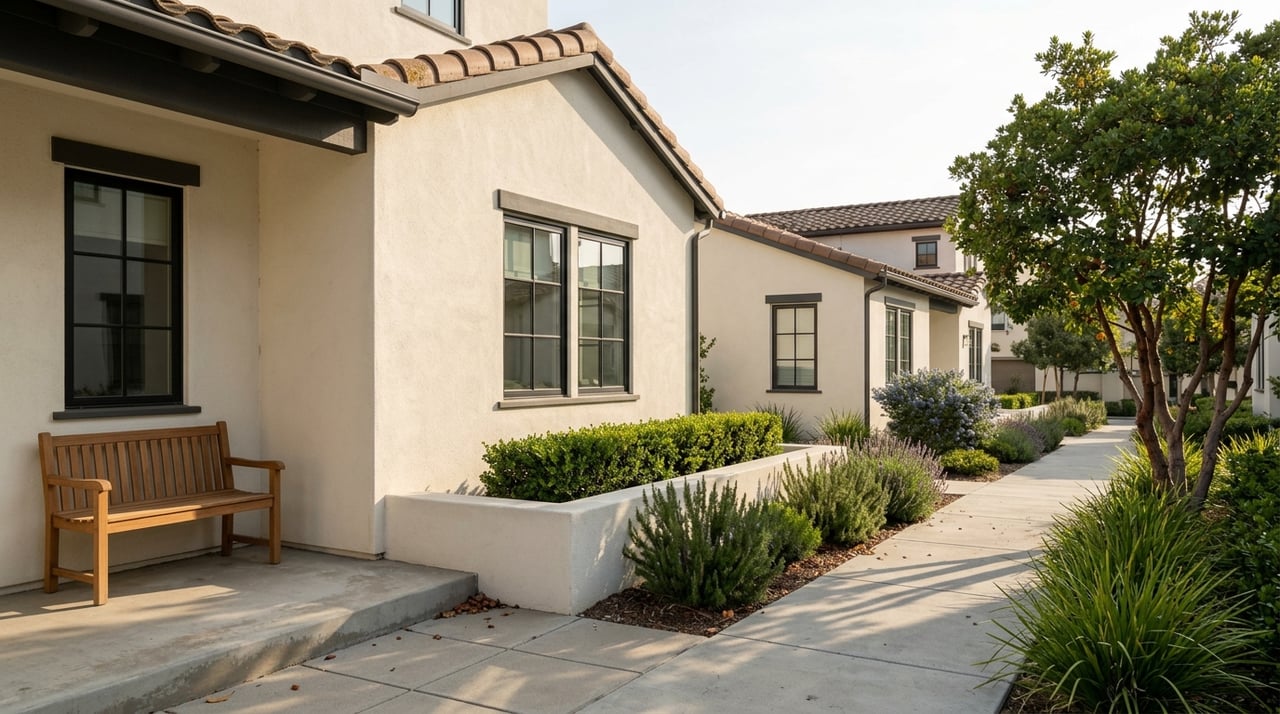
That planning matters in everyday life. Instead of a dense street grid or a large commercial center, Harbor Bay tends to feel low-rise, residential, and centered on walking routes, shared green space, and access to the shoreline.
One of the biggest draws of Harbor Bay is its calm, organized feel. The original landscape plan emphasized tree groves, shade, and plantings that fit the local coastal climate, including wind, fog, and salt spray.
As you move through the area, that shows up in a lived-in but intentional environment. Streets and residential enclaves often feel tucked into the landscape, with water, paths, and open sky playing a big role in the setting.
For many buyers, that creates a very different experience from more urban parts of the East Bay. Harbor Bay often feels more like a residential retreat with strong commuter connections than a neighborhood built around nightlife or heavy retail activity.
If you enjoy being outside, Harbor Bay makes that easy. The neighborhood’s daily routine is closely tied to trails, shoreline views, parks, and open-air recreation.
The Bay Trail is one of Harbor Bay’s defining features. On Bay Farm Island, the loop is about six miles and passes Shoreline Park and the Harbor Bay Isle Ferry Terminal.
That gives you a practical and scenic option for walks, runs, and bike rides. For many residents, the trail is not just a weekend bonus. It becomes part of a regular morning or evening routine.
Shoreline Park adds to that outdoor lifestyle with a pedestrian and bike path, benches, restrooms, and play areas. It supports everything from quick fresh-air breaks to longer family outings.
Bay Farm Island also includes smaller parks and recreation spaces such as Towata Park, Tillman Park, Harrington Field, the East End/Bay Farm Island Dog Park, and the Bill Osborne Model Airplane Field. Together, these spaces help reinforce Harbor Bay’s open, active feel.
Corica Park is another major local amenity. The City describes it as a municipally owned, public-access golf course at 1 Clubhouse Memorial Drive, with 36 holes and plans to become a 45-hole complex.
If you enjoy water-oriented living, the broader Alameda waterfront also offers access points and marina-related facilities, including Alameda Marina and the Encinal Boat Launch Facility. Even if those are outside Harbor Bay itself, they add to the larger island-living appeal many buyers associate with Alameda.
Harbor Bay is residential first, but it is not cut off from everyday needs. Much of the neighborhood’s practical convenience comes from Harbor Bay Landing.
The City lists Harbor Bay Landing as a 114,800-square-foot community shopping center with Safeway, general retail, and restaurants. That means many basic errands can stay close to home, which is a meaningful quality-of-life feature for busy households.
For buyers comparing Harbor Bay with neighborhoods that require more driving for day-to-day tasks, this matters. You get a quieter setting without giving up easy access to groceries and other essentials.
Commuting is one of Harbor Bay’s standout strengths. For people who work in San Francisco or connect through Oakland, the neighborhood offers several practical options.
The Harbor Bay ferry route provides weekday service to Downtown San Francisco, with limited midday departures. That makes the ferry a major part of the workweek routine for many residents.
The City notes that the Harbor Bay Isle Ferry Terminal has parking for 250 cars and two motorcycles. AC Transit Line 31 also serves the terminal, and the City says it is free for ferry riders with a Clipper transfer.
For many buyers, that mix of waterfront living and direct weekday ferry access is a major reason Harbor Bay stands out within Alameda.
Alameda does not have its own BART station, so nearby Oakland connections matter. The City says the Harbor Bay Business Park Shuttle to BART is free and open to the public, running between Coliseum BART and the Harbor Bay Ferry Terminal with stops in the business park.
That gives commuters another layer of flexibility. If your routine depends on rail access, Harbor Bay is less about walking to a station and more about using a coordinated ferry-and-shuttle network.
Driving is still part of everyday life for many households here. Bay Farm Island connects back to Alameda Island by the Bay Farm Island Bridge, and there is also a separate bicycle and pedestrian drawbridge.
The City notes that Alameda is about seven miles east of San Francisco and less than a mile west of Oakland. It also says Oakland International Airport is 6.7 miles from downtown Alameda and less than 15 minutes by car from major business parks, which can be useful if your work or travel schedule includes frequent flights.
Harbor Bay is not a one-style neighborhood. Instead, it includes a mix of planned residential areas with different home types, which gives buyers several ways to live within the same overall setting.
Harbor Bay Management identifies Columbia, Sandpiper Cove, and Seastrand as single-family neighborhoods. Brittany Landing Bay includes both townhouses and condominiums, while Centre Court is a condominium neighborhood.
That mix helps explain why Harbor Bay can feel consistent in layout but varied from one section to the next. Some streets read more like classic detached-home neighborhoods, while others have a more compact attached-home pattern with shared common areas.
For buyers, this variety can be helpful. It creates options for different budgets, maintenance preferences, and lifestyle goals while keeping the broader Harbor Bay character intact.
Like many shoreline communities, Harbor Bay comes with practical environmental considerations. Bay Farm Island is low-lying, and the City’s adaptation materials describe variable coastal and inland flood risk in the area today.
The City also notes that shoreline parks, lagoon systems, and Bay Trail access are part of the adaptation strategy, and Bay Farm Island is included in Alameda’s broader Shoreline Adaptation Plan. For anyone considering a move here, that means resilience planning is an active local topic, not a distant concept.
This does not define everyday life minute to minute, but it is part of understanding the full picture. If you are buying or selling in Harbor Bay, local guidance matters because neighborhood context can affect how people evaluate long-term value and livability.
Harbor Bay often appeals to buyers who want a quieter residential environment with strong outdoor access and a practical commute. The neighborhood can also be a fit if you value a planned setting with a mix of home styles and nearby essentials.
You may especially appreciate Harbor Bay if your ideal routine includes things like:
For sellers, those same qualities can help shape how a home is positioned. Harbor Bay is often less about buzz and more about lifestyle ease, access, and the balance between waterfront setting and everyday convenience.
Everyday life in Harbor Bay, Alameda is shaped by a simple but appealing combination: open space, shoreline recreation, commuter convenience, and a quiet master-planned feel. It offers a distinct version of Alameda living that feels organized, scenic, and practical all at once.
If you are trying to decide whether Harbor Bay fits your next move, local insight can make all the difference. The details of housing type, micro-location, commute pattern, and long-term planning all matter when you want the right fit. If you are thinking about buying or selling in Alameda, Jill Friedrich can help you navigate the neighborhood with thoughtful, locally grounded guidance.
Insights on real estate, design, local living, and the communities we call home.
Confidence that a home is safe, well-maintained, and thoughtfully managed.

Keeping that curated, welcoming feel in your home day after day.
This style is a go-to for creating welcoming spaces that feel both current and timeless.
Buying or selling a home is one of life's most important decisions. We provide the market knowledge, negotiation expertise, and support needed to help you move forward confidently. Together, we'll create a strategy built around your success.

Friedrich Homes Group
(510) 919-7280
[email protected]
Friedrich, Jill Elizabeth | CA DRE# 02062807
Compass California II, Inc. | CA DRE# 02029039
1410 Park Ave Alameda, CA 94501